
WHO: Aspartame may cause cancer, can we eat sugar substitute food?
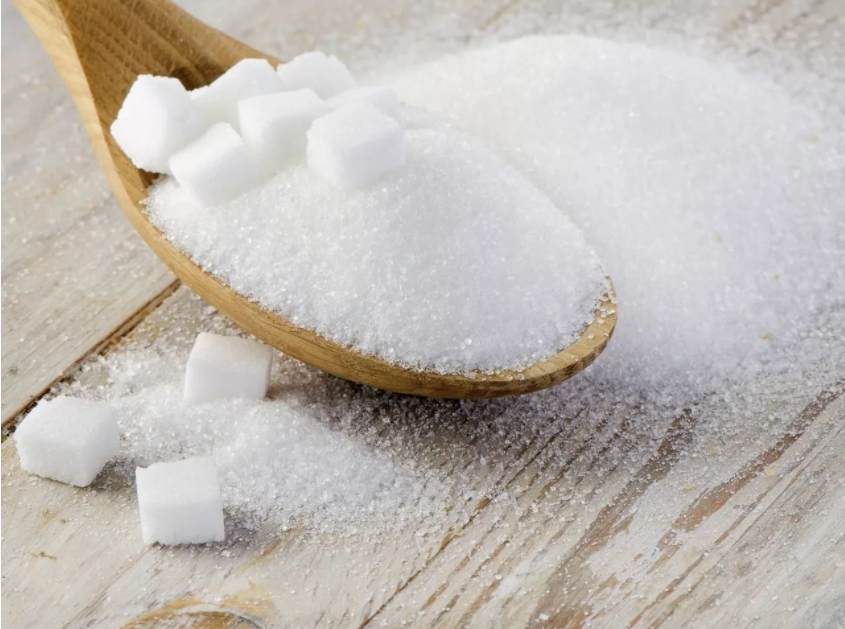
WHO said the artificial sweetener aspartame may cause cancer, can still be happy to eat sugar substitute food?
In May this year, the World Health Organization warned that artificial sweeteners are not an aid to weight loss and may in fact raise the risk of diabetes, heart disease and death, resulting in aspartame (widely used in thousands of products worldwide, such as the well-known brand Coca-Cola, Mars' chewing gum) being included in the review list of its cancer research arm, the International Agency for Research on Cancer (IARC), to study whether it is associated with cancer.
What is Aspartame?
Discovered by Schlatter in December 1965, aspartame is an artificial non-sugar sweetener, a natural functional oligosaccharide that is extremely low in calories and high in sweetness (about 180 to 200 times that of sucrose) and is commonly used as a sugar substitute in foods and beverages. Aspartame was first submitted for approval as a food ingredient in 1974 and was approved by the U.S. Food and Drug Administration (FDA) in 1981.
Since its discovery, this sweetener has been deemed safe for human consumption by more than 100 regulatory agencies in their respective countries, including the FDA, the UK Food Standards Agency, the European Food Safety Authority (EFSA), Health Canada, and the Food Standards Australia New Zealand, among others.
What are the common sweeteners?
There are many types of sweeteners, which can be divided into natural sweeteners and synthetic sweeteners according to their sources. This article focuses on some of the commonly used natural sweeteners. Natural sweeteners commonly used in the food industry include stevioside, rosmarinic acid sweetener, licorice sweetener, sweet tea glycosides, etc. and sugar alcohols, such as erythritol, xylitol, sorbitol, maltitol, mannitol, etc.
Glycosides
Stevia glycoside (Stevioside)
A glycoside extracted from the leaves of Stevia rebaudiana, a plant of the Asteraceae family. Stevia is native to Paraguay and Brazil, and its sweetness is about 200 to 300 times that of sugar. The main glycosides are stevioside (STV) and lebaudioside A (Reb A), and the human body does not metabolize the glycosides in stevia, so as a non-nutritive sweetener, it has zero calories. Not everyone likes the taste of it. Some people find it bitter, but others think stevia tastes like mints.
For this reason there are other glycosides on the market that are sweeter and less bitter, such as Rebaudioside D (Reb D) and Rebaudioside M (Reb M).
Monk fruit sweetener
Monkfruit (known as Luo Han Guo) sweetener is generally extracted from the fresh fruit of Luo Han Guo, and are a collective name for a class of glycosides with the cucurbitane triterpene Luo Han Guo alcohol as the glycoside element. The main source of its sweetness is the highest content of mogrosides V, which is about 300 times that of sucrose. It is a low-calorie, non-nutritive, non-fermented sweetener with the effect of clearing heat, moistening the lungs and suppressing cough, laxative and laxative, and has preventive and curative effects on obesity, constipation and diabetes.
Sugar alcohols
Xylitol
Xylitol is an organic compound, native to Finland, a natural sweetener extracted from birch, oak, corn cob, sugarcane bagasse and other plant materials. At the same time, xylitol itself is also an intermediate in the metabolism of sugars in the human body. It is comparable in sweetness to sucrose at room temperature and 1.2 times sweeter than sucrose at low temperatures, and contains approximately 2.4 calories per gram, which may have some benefits for dental and digestive health.
Erythritol
Erythritol is a filling sweetener, widely existed in nature, such as fungi mushrooms, lichens, melons, grapes, pears, etc. The sweetness is only 60%-70% of sucrose, with a refreshing taste in the mouth, no after bitterness, almost not absorbed by the body, and low heat.
Potential New Products
D-Psicose
D-Psicose (also called D-Allulose) is a rare monosaccharide that occurs naturally in nature and was originally found mainly in raisins, figs, brown sugar, and wheat. Although D-Allulose is only about 70% of the sweetness of sucrose, 70% of it is excreted in urine or feces when it enters the body, and its calorie content is only about 0.3% of the equivalent amount of sucrose.
Can I still eat sugar substitutes in the future?
The satisfaction and pleasure of a sweet meal is unimaginable, and studies have found that sweet foods can bring physical and mental pleasure. Although sugar substitutes replace sugar in the process, other ingredients and additives in "zero sugar" foods inevitably have some calories, which will still be converted into sugar in the body.
Therefore, from the health point of view, it is still necessary to control the intake of sugar substitutes drinks and foods.
References:
- Brandle, J. E.; Starratt, A. N.; Gijzen, M. (1998). "Stevia rebaudiana: Its agricultural, biological, and chemical properties". Canadian Journal of Plant Science. 78 (4): 527–536. doi:10.4141/P97-114
- Geuns, JM; Buyse, J; Vankeirsbilck, A; Temme, EH; Compernolle, F; Toppet, S (5 April 2006). "Identification of steviol glucuronide in human urine". Journal of Agricultural and Food Chemistry. 54 (7): 2794–8. doi:10.1021/jf052693e.
- Itkin, M.; Davidovich-Rikanati, R.; Cohen, S.; et al. (2016). "The biosynthetic pathway of the nonsugar, high-intensity sweetener mogroside V from Siraitia grosvenorii". Proceedings of the National Academy of Sciences of the United States of America. 113 (47): E7619–E7628. doi:10.1073/pnas.1604828113.
- Riley, P.; Moore, D.; Ahmed, F.; Sharif, M. O.; Worthington, H. V. (2015). "Can xylitol – used in products like sweets, candy, chewing gum, and toothpaste – help prevent tooth decay in children and adults?". The Cochrane Database of Systematic Reviews. Lay summary. 2015 (3): CD010743.
- Moon HJ, Jeya M, Kim IW, Lee JK (April 2010). "Biotechnological production of erythritol and its applications". Applied Microbiology and Biotechnology. 86 (4): 1017–1025.
- Hossain, Akram; Yamaguchi, Fuminori; Matsuo, Tatsuhiro; Tsukamoto, Ikuko; Toyoda, Yukiyasu; Ogawa, Masahiro; Nagata, Yasuo; Tokuda, Masaaki (November 2015). "Rare sugar d-allulose: Potential role and therapeutic monitoring in maintaining obesity and type 2 diabetes mellitus". Pharmacology & Therapeutics. 155: 49–59.
| IMPORTANT: This infomation is not intended to diagnose, treat, cure, or prevent any disease, and it should not be used by anyone who is pregnant or under the care of a medical practitioner. Please consult your physician about which supplements may or may not be right for you. |
If any copyright infringement, please contact us by info@hygieia.com.cn.

 CPHI China 2023| Hygieia Biotech: Synthetic Biology and Enzyme Engineering Platform, Zymevolver®, Developing More Healthy Ingredients For A Better Future
  Nootropics—10 Popular Ingredients for Brain Nutrition
 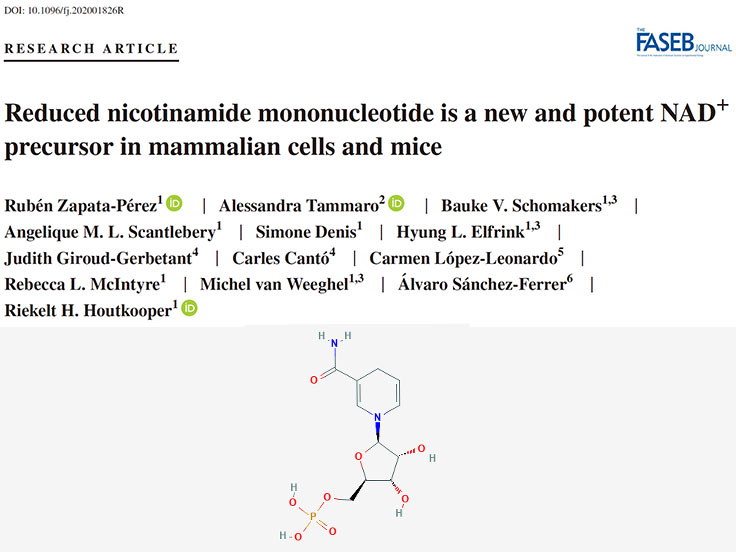 NMNH--New NAD+ Precursor: Reduced NMN (NMNH) 10 Times More Potent Than Normal Beta-MNM Powder?
  How NR Boosts NAD+?
 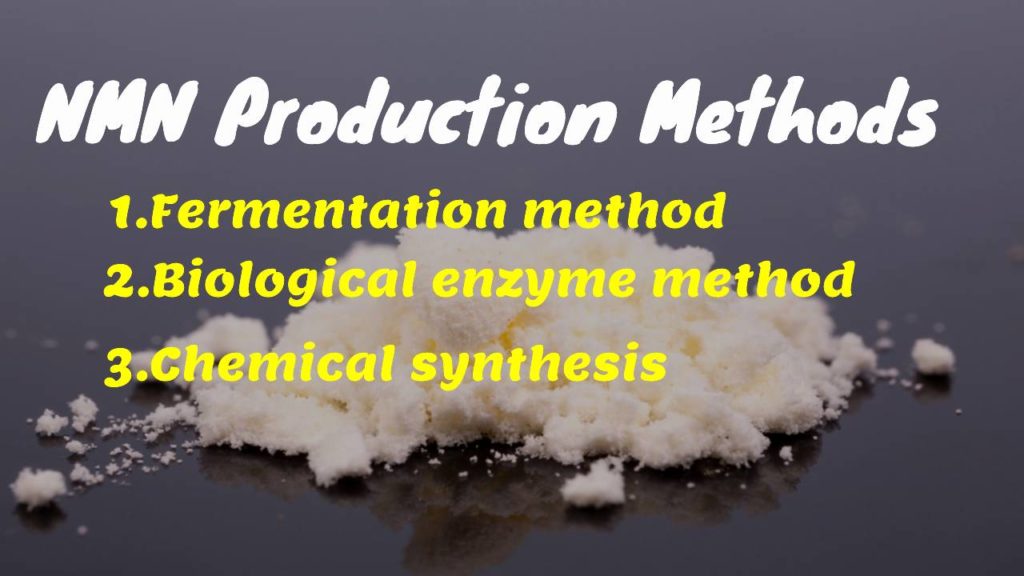 NMN Production Methods: Which is the best Manufacturing Process for purest NMN, Fermentation Method, Biological Enzyme method, or Chemical synthesis?
  PQQ Disodium Salt Powder: Pure and Bioavailable PQQ for Anti-aging, Heart, and Brain Health
  David Sinclair's 11 Longevity Supplements and His Daily Routine for a Healthier Life
  Spermidine Supplementation Stimulates Hair Growth by Prolonging the Anagen Phase
  The Latest NAD+ Clinical Trial: The Relationship Between the NAD+ Blood Levels and Aging
  NMN Clinical Trial: increases muscle insulin sensitivity in prediabetic women
  Health & Anti Ageing: Fisetin– A Powerful Natural Flavonoid
 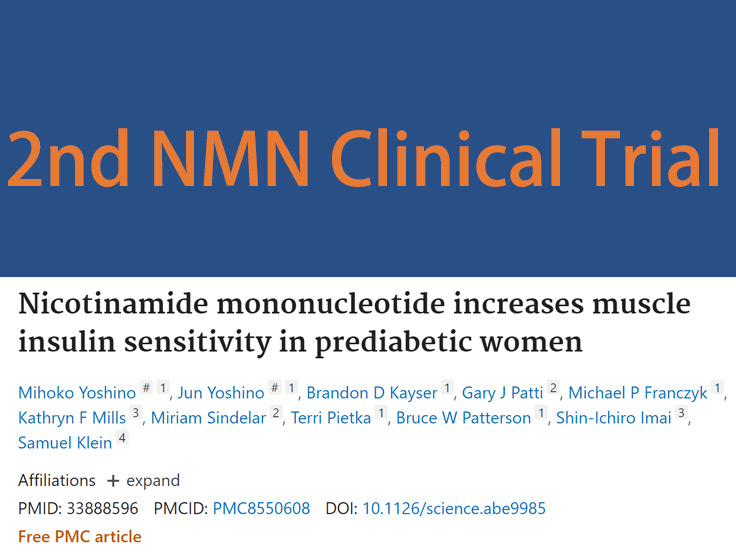 Second NMN clinical trial: Nicotinamide mononucleotide increases muscle insulin sensitivity in prediabetic women