
NMNH--New NAD+ Precursor: Reduced NMN (NMNH) 10 Times More Potent Than Normal Beta-MNM Powder?
On the anti-aging & longevity supplement market, NMN (Nicotinamide Mononucleotide) and NR (nicotinamide riboside) are the two best-known NAD+ precursors, followed by Nicotinic Acid (NA), Nicotinamide (Nam), and Tryptophan (Trp). The precursors listed above are all Vitamin B3 derivatives except L-tryptophan.
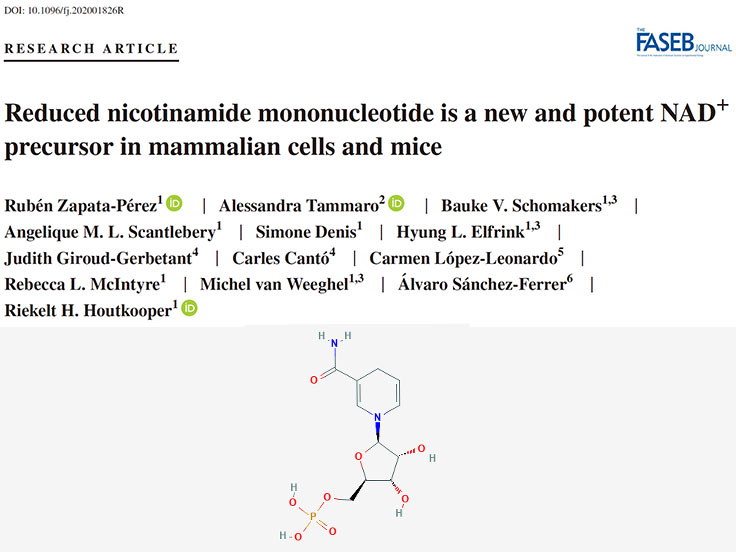
Now a new NAD precursor from Hygieia Biotech is commercially available to the market in 2021, it's reduced nicotinamide mononucleotide, also known as reduced NMN or NMNH for short.
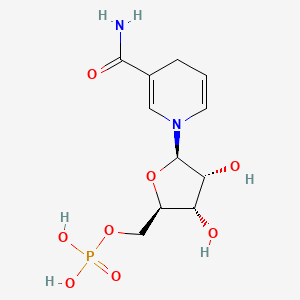
A new study on Reduced nicotinamide mononucleotide is a new and potent NAD+ precursor in mammalian cells and mice is published in the journal of the FASEB (Federation of American Societies for Experimental Biology). The key points can be summarized as below:
- In comparison to NMN and NR, NMNH increases levels of NAD+ in a much faster and greater manner, and then it is metabolized through a different, NRK and NAMPT-independent, pathway.
- NMNH improves renal epithelial cell repair after hypoxia/reoxygenation injury.
- NAD+ levels rise rapidly and are sustained in whole blood after administration of NMNH to mice, which is accompanied by increased levels in liver, kidney, muscle, brain, brown adipose tissue, and heart, but not white adipose tissue.
As we know, NAD+ levels in our bodies are maintained by three independent pathways:
- the Preiss-Handler pathway (dietary NA to NAD+)
- the De novo synthesis pathway (Tryptophan to NAD+)
- the Salvage Pathway. (NR, NMN to NAD+)
The researchers report that NMNH is efficiently converted into NAD in cells. Perhaps most interestingly, the path to achieving this does not involve nicotinamide riboside kinase (NRK) or nicotinamide phosphoribosyltransferase (NAMPT), which other precursors require in order to become NAD.
NMN VS NMNH
According to the study, NMNH beats NMN in several ways as below:
NMNH is more potent than NMN
NMNH increased cellular NAD+ levels more significantly than NMN at every concentration (Figure1 A). NMNH was able to increase NAD+ at a concentration 10 times lower than NMN (5 μM), and reached a plateau at 500 μM. NMNH reached almost a 10-fold increase in NAD+ concentration while NMN was only able to double NAD+ content in these cells, even at 1 mM concentration.
NMNH works much faster and longer than NMN
NAD+ levels significantly increased within 15 minutes after NMNH supplementation (Figure1 B). NAD+ increased steadily for up to six hours and remained stable for 24 hours following the addition of NMNH whereas NMN reached its plateau after just one hour, presumably because the recycling pathways leading to NAD+ were already saturated.
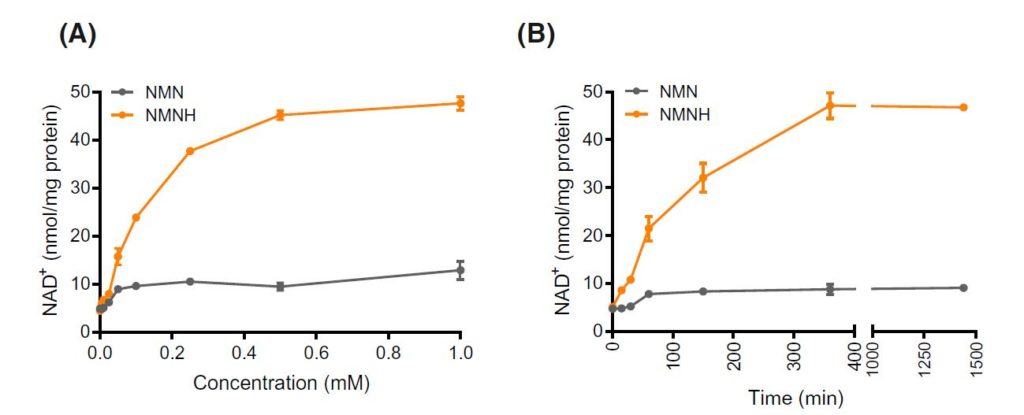
FIGURE 1--NAD+-boosting potential of NMNH.
NMNH efficiently increases NAD+ levels in vivo
NMNH showed a potent effect in NAD+-boosting in blood, efficiently increasing NAD+ levels after 1 hour and to a much higher extent than NMN . And after at least 20 hours, which means in the blood samples taken 4 hours after the second IP injection NMNH administration sustained a 2-fold NAD+ increase. (Figure 2)

FIGURE 2--Blood NAD+ profiles obtained at 1, 4, and 20 hours after the first IP injection, and 4 hours after the second IP injection
NMNH increased NAD+ levels in more tissues than NMN
Further, NMNH increased NAD+ levels in a range of tissues more than NMN, with the most notable effects occurring in the liver (over 5-fold increase) and kidney (over 2-fold increase). NMNH also significantly increased NAD+ content in other tissues, such as the brain, gastrocnemius muscle, brown adipose tissue, and heart, while NMN failed to do so. (Figure 3)

FIGURE 3--NAD+ content measured by spectrophotometry after acidic extraction of the freeze-dried tissues.
Summary:
In summary, these results suggest that NMNH is more efficient at increasing NAD+ levels than NMN in various tissues when compared with NMN. Combined with previous findings, these new data suggest that reduced NAD+ precursors can act as highly potent NAD+ enhancers and that this could lead to a new generation of very efficient NAD+-boosting molecules. The NMNH pricing and efficacy soon will be much better than NMN powder at present.
References
- Rubén Zapata-Pérez, Alessandra Tammaro, Bauke V. Schomakers et al. (2021). Reduced nicotinamide mononucleotide is a new and potent NAD+ precursor in mammalian cells and mice. FASEB J. 2021 Apr;35(4):e21456. doi: 10.1096/fj.202001826R.
| IMPORTANT: This infomation is not intended to diagnose, treat, cure, or prevent any disease, and it should not be used by anyone who is pregnant or under the care of a medical practitioner. Please consult your physician about which supplements may or may not be right for you. |

 WHO: Aspartame may cause cancer, can we eat sugar substitute food?
  CPHI China 2023| Hygieia Biotech: Synthetic Biology and Enzyme Engineering Platform, Zymevolver®, Developing More Healthy Ingredients For A Better Future
  Nootropics—10 Popular Ingredients for Brain Nutrition
  How NR Boosts NAD+?
 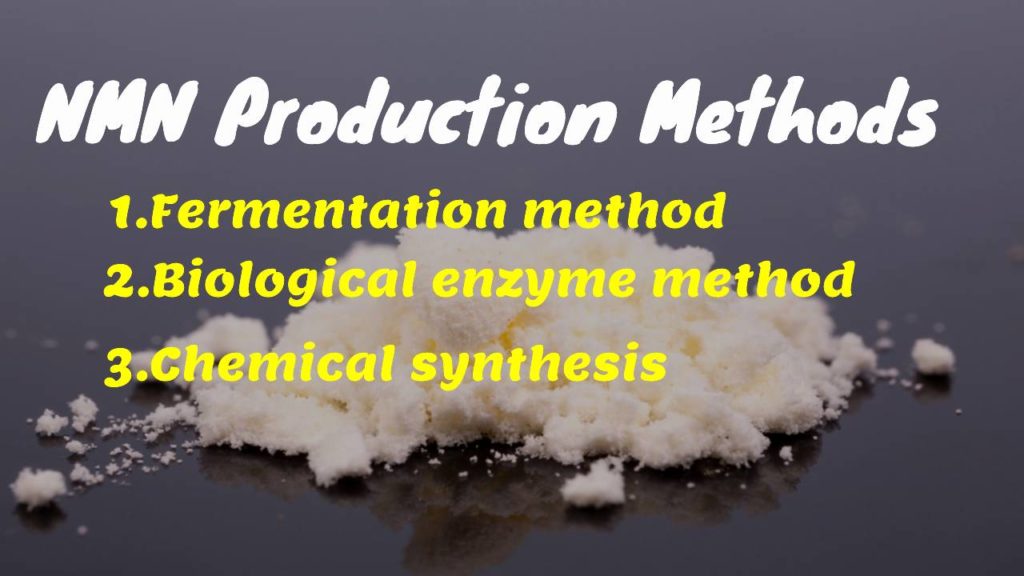 NMN Production Methods: Which is the best Manufacturing Process for purest NMN, Fermentation Method, Biological Enzyme method, or Chemical synthesis?
  PQQ Disodium Salt Powder: Pure and Bioavailable PQQ for Anti-aging, Heart, and Brain Health
  David Sinclair's 11 Longevity Supplements and His Daily Routine for a Healthier Life
  Spermidine Supplementation Stimulates Hair Growth by Prolonging the Anagen Phase
  The Latest NAD+ Clinical Trial: The Relationship Between the NAD+ Blood Levels and Aging
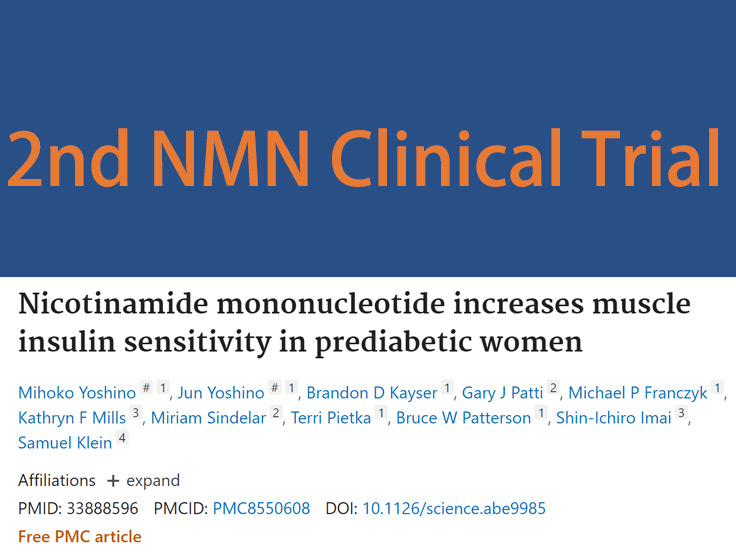
  NMN Clinical Trial: increases muscle insulin sensitivity in prediabetic women
  Health & Anti Ageing: Fisetin– A Powerful Natural Flavonoid
  Second NMN clinical trial: Nicotinamide mononucleotide increases muscle insulin sensitivity in prediabetic women