
Health & Anti Ageing: Fisetin– A Powerful Natural Flavonoid
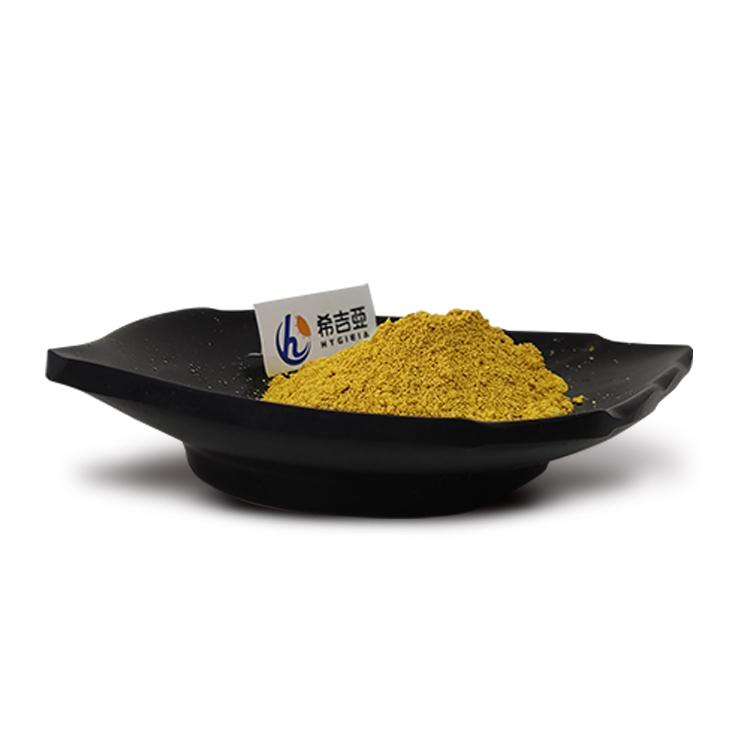
Strawberry, an anti-inflammatory “Energy fruit”.
Why? Because it has a natural flavonoid in its body – Fisetin.
Where does it come from and where does it go? Let’s explore the journey of the life of Fisetin together.
The Source of Fisetin is mainly from plant extracts:
- Cotinus coggygria;
- Plants such as the wax tree,Rhus vernciflua Stokes;
- Fruits and vegetables, such as apples, persimmons, grapes, kiwis, strawberries, onions and cucumbers and ect.
Flavonoids is a group of natural plant compounds which are well known for their beneficial effects on health. They are found in many fruits and vegetables as well as grains, wine, tea and chocolate etc.
There are six flavonoids subtypes and parts of related food, each with potential health-protecting effects:
- Flavonols: onions, grapes, broccoli, tea
- Flavones: celery, red peppers, peppermint,chamomile
- Flavan-3-ols: apples, blueberries, strawberries, cocoa and chocolate products
- Flavanones: limes, lemons, oranges
- Anthocyanidins: red and purple grapes, blackberries, cranberries
- Isoflavones: soy, soy products, and some other legumes
Mechanism
In 1966, an article published in “Nature” stated that fisetin was one of the flavonoids with the strongest antibacterial effect known at that time, requiring only 50 μg/ml to effectively inhibit the growth of bacteria such as Staphylococcus aureus,which drew the attention of scientists to the pharmacological effects of fisetin. In subsequent studies on fisetin, scientists discovered that it has antioxidant and anti-inflammatory effects.
As a flavonoid, fisetin has natural antioxidant properties. It not only has direct antioxidant activity, but also increases the level of the main antioxidant glutathione in cells. Even in the case of oxidative stress, fisetin can maintain mitochondrial function well, and even very fragile neuron cells can be well protected.
In addition to its own antioxidant talent, its anti-inflammatory effect should not be underestimated. Fisetin inhibits the NF-κB pro-inflammatory signaling pathway by activating β-catenin protein and silencing the expression of TLR4, which in turn down-regulates the release of inflammatory cytokines and achieves anti-inflammatory effects.


Application of Fisetin:
Antioxidants
Studies have shown that fisetin has the ability to scavenge free radicals with significant biological effects. These oxygen radicals damage lipids, amino acids, carbohydrates and nucleic acids. When we do not consume enough antioxidant foods, an imbalance of oxygen species occurs, which inhibits the body’s ability to defend itself.
Anti-aging Activity
Research published in ‘The Lancet’ shows that fisetin, a flavonoid, has potent anti-aging activity in both mice and human tissues. This means that antioxidants could prevent the replication of damaged DNA and thus may play a role in aging and age-related diseases.
When researchers tested 10 flavonoids(including resveratrol, rutin, luteolin, curcumin, and fisetin),they found that fisetin was the most effective anti-aging material.
Reduce Inflammation
According to research published in Advances in Experimental Medicine and Biology, fisetin has been shown to have potent anti-inflammatory effects in cell cultures and in animal models associated with human disease.
Research shows that fisetin promotes healthy aging by reducing oxidative stress and increasing levels of glutathione, a major intracellular antioxidant. It also reduces the production of pro-inflammatory molecules and activates key neurotrophin signaling pathways that support growth, survival and healthy aging.
References:
- Wei Huang, Ming-Li Li, Ming-Yue Xia etc. all (2018). Fisetin-treatment alleviates airway inflammation through inhbition of MyD88/NF-κB signaling pathway.
- Yue Sun, Hong Qin, Huihui Zhang etc. all (2021). Fisetin inhibits inflammation and induces autophagy by mediating PI3K/AKT/mTOR signaling in LPS-induced RAW264.7 cells. Food Nutr Res. 2021; 65: 10.29219/fnr.v65.6355. doi: 10.29219/fnr.v65.6355
- GÁBOR, M., EPERJESSY, E. Antibacterial Effect of Fisetin and Fisetinidin. Nature 212, 1273 (1966). //doi.org/10.1038/2121273a0
| IMPORTANT: This infomation is not intended to diagnose, treat, cure, or prevent any disease, and it should not be used by anyone who is pregnant or under the care of a medical practitioner. Please consult your physician about which supplements may or may not be right for you. |

 WHO: Aspartame may cause cancer, can we eat sugar substitute food?
  CPHI China 2023| Hygieia Biotech: Synthetic Biology and Enzyme Engineering Platform, Zymevolver®, Developing More Healthy Ingredients For A Better Future
  Nootropics—10 Popular Ingredients for Brain Nutrition
 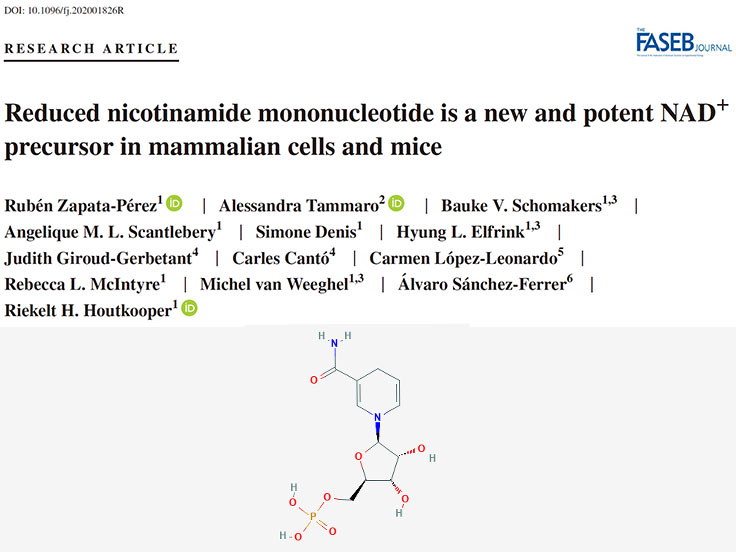 NMNH--New NAD+ Precursor: Reduced NMN (NMNH) 10 Times More Potent Than Normal Beta-MNM Powder?
  How NR Boosts NAD+?
 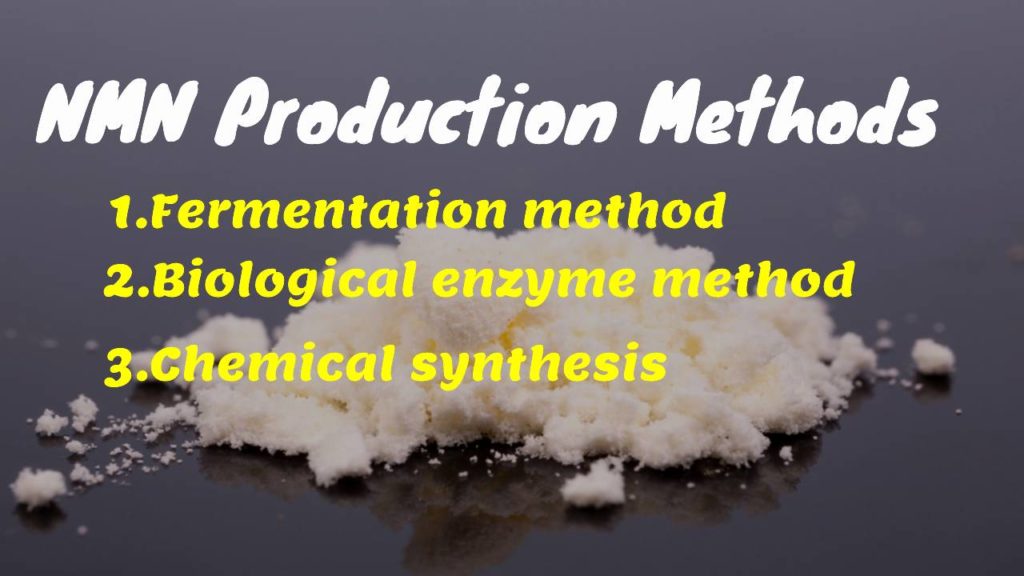 NMN Production Methods: Which is the best Manufacturing Process for purest NMN, Fermentation Method, Biological Enzyme method, or Chemical synthesis?
  PQQ Disodium Salt Powder: Pure and Bioavailable PQQ for Anti-aging, Heart, and Brain Health
  David Sinclair's 11 Longevity Supplements and His Daily Routine for a Healthier Life
 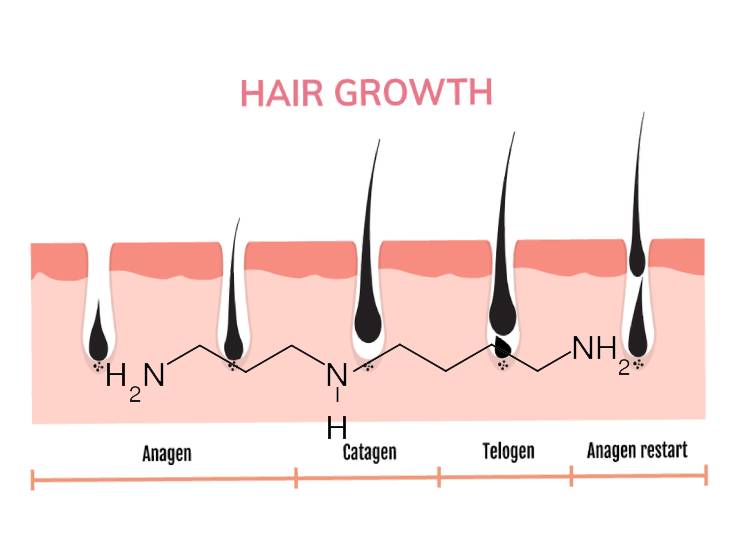 Spermidine Supplementation Stimulates Hair Growth by Prolonging the Anagen Phase
  The Latest NAD+ Clinical Trial: The Relationship Between the NAD+ Blood Levels and Aging
  NMN Clinical Trial: increases muscle insulin sensitivity in prediabetic women
 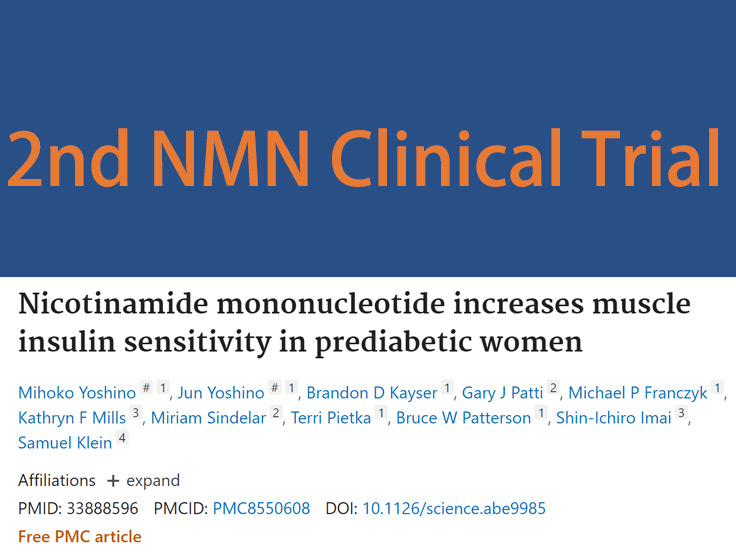 Second NMN clinical trial: Nicotinamide mononucleotide increases muscle insulin sensitivity in prediabetic women